



Introduction
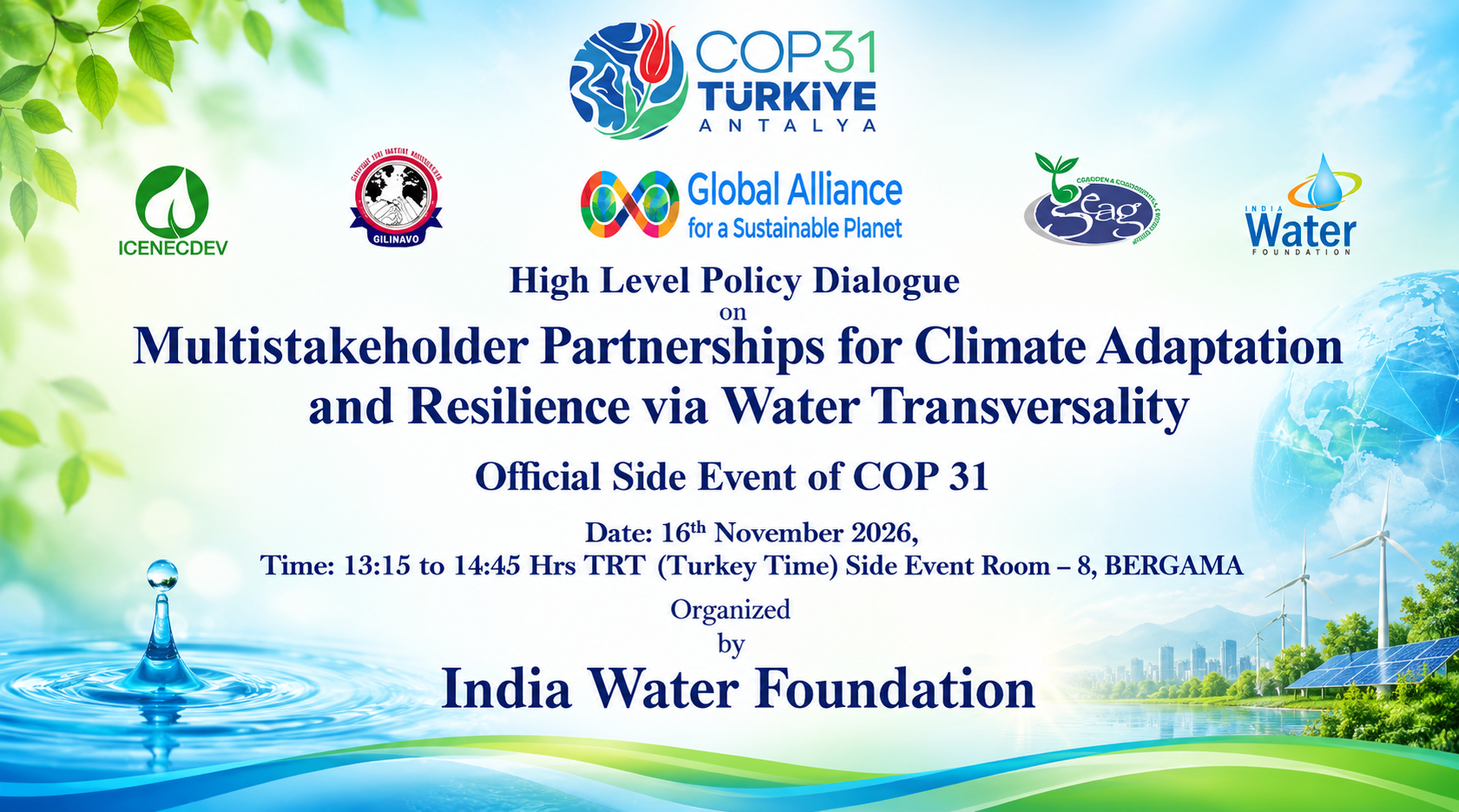
Water is the invisible thread that runs through the climate system and through every dimension of climate risk, from floods, droughts and storm surges to food security, energy supply, public health and ecosystem integrity. Climate change is felt, above all, through water. Yet adaptation continues to be planned, financed and delivered through fragmented, sector-specific frameworks rather than through the integrating force that water truly is. This structural disconnect leaves risk unmanaged where sectors meet and, as the Intergovernmental Panel on Climate Change (IPCC) cautions, actions that focus on sectors and risks in isolation often lead to maladaptation.
The evidence is unambiguous and alarming. Roughly half of the world’s population already experiences severe water scarcity for at least part of the year, and between 3.3 and 3.6 billion people live in contexts that are highly vulnerable to climate change. Over the past six years, only about one third of the global river catchment area has had normal discharge conditions, and the Global Commission on the Economics of Water warns that more than half of global food production is at risk by 2050, with GDP losses averaging 8 per cent and reaching up to 15% in lower-income countries. In 2024, 2.1 billion people still lacked safely managed drinking water, while the adaptation finance needs of developing countries are estimated at US$310–365 billion per year by 2035, against US$26 billion of international public adaptation finance in 2023. Bridging it demands not incremental adjustments, but a fundamental transformation in how adaptation is governed, financed and integrated across sectors.
This transformation is anchored in the concept of Water Transversality, an integrated, cross-sectoral approach that positions water as the central connecting thread across development systems, explicitly linking it with energy, food, health, environment, climate, economy, governance and social equity. Applied to adaptation, it treats water not as one sector among many competing for adaptation resources, but as the organizing logic of resilience: the medium through which risks travel across sectors, and the point at which coordinated action is most effective. For this dialogue, Water Transversality is understood to have five mutually reinforcing dimensions: policy coherence; integrated finance; nature and infrastructure; knowledge and early action; and inclusion. When applied at the scale of multi-stakeholder partnerships, this approach becomes a powerful lever for accelerating climate adaptation and resilience.
Water Transversality also provides a framework for addressing emerging challenges and opportunities at the intersection of technology, finance and climate resilience. While AI-driven data centres and digital infrastructure are increasing water and energy demands, AI can strengthen water governance through predictive analytics, efficient resource management and early-warning systems. Complementing this, Water Credits can incentivise measurable water conservation, replenishment, reuse and efficiency, mobilising private-sector investment and integrating water stewardship into broader adaptation and resilience strategies.
The scientific and policy case for this approach is well established. The IPCC’s Sixth Assessment Report finds that integrated, multi-sectoral solutions that address social inequities increase the feasibility and effectiveness of adaptation, and that maladaptation can be avoided through flexible, multi-sectoral, inclusive and long-term planning. The IPBES Nexus Assessment points to the value of addressing biodiversity, water, food, health and climate together rather than in isolation. Water now sits within the architecture of the Global Goal on Adaptation: the thematic targets of the UAE Framework for Global Climate Resilience include water, and the 59 voluntary Belém Adaptation Indicators include water-related metrics. Therefore, transversality-based, water-centred solutions offer a coherent, evidence-informed pathway to adaptation outcomes that are durable, inclusive and equitable.
Objective
The proposed high-level policy dialogue will bring together representatives from governments, intergovernmental organizations, civil society, the private sector, academia, and community-based organizations to advance a multi-stakeholder partnership agenda for climate adaptation and resilience. The dialogue will explore how water can be positioned as a unifying element across sectors such as agriculture, energy, health, urban development, ecosystems, and disaster risk reduction; identify innovative governance models, financing mechanisms, and community-led solutions that bridge global commitments with local implementation; and generate actionable recommendations for strengthening cross-sectoral policy coherence, partnership architectures, and blended finance approaches for adaptation. Ultimately, the dialogue seeks to advance integrated, climate-resilient, nature-positive, and biodiversity-supportive water management pathways aligned with the SDGs.
MINISTERIAL ADDRESS |
|
MR. CONRAD K. SANGMA |
|
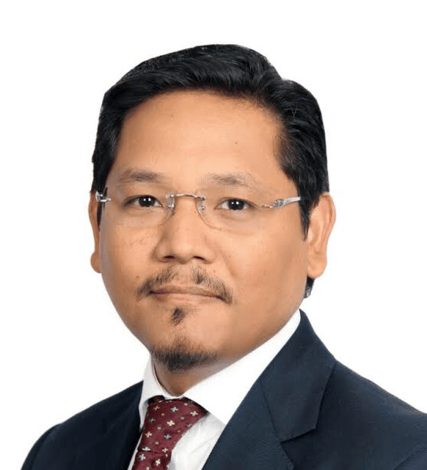
Mr. Conrad K. Sangma, currently a Chief Minister of Meghalaya. His leadership is pivotal to the regional dominance and its alliance at the state level. He has played a crucial role in Meghalaya’s governance, focusing on economic development and tribal welfare. His political journey from a young parliamentarian to the state’s top executive highlights his strategic acumen and commitment to his constituents in Meghalaya. |
|
Eminent Speaker |
| Dr. Arvind Kumar |
Mr. Loic Fauchon |
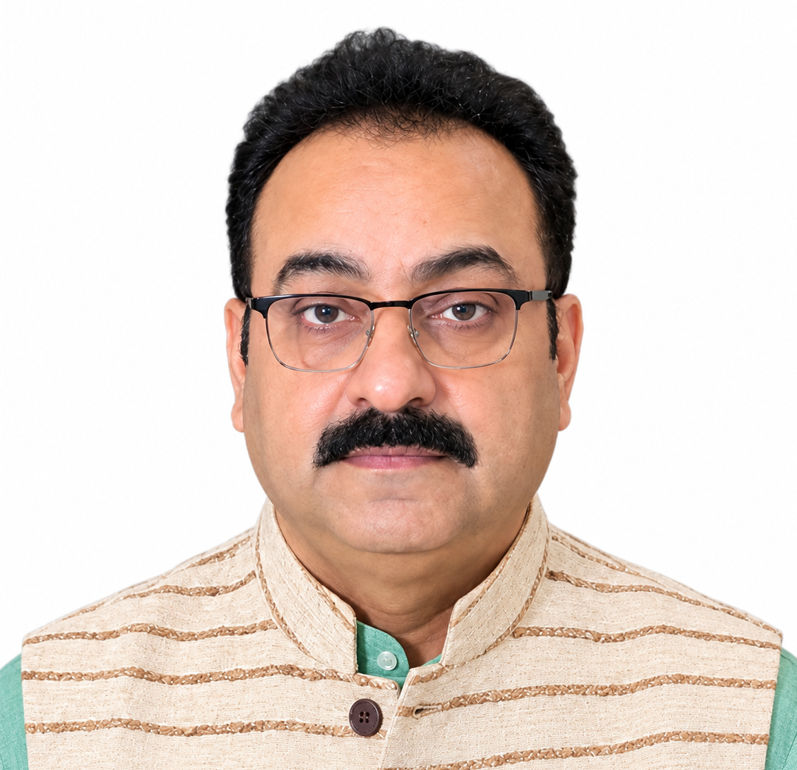 Dr. Arvind Kumar is a strategist and key-influencer in development sector with more than 31+ years of experience as an author, columnist, Water and Human Rights Pro-activist, and specializes in concepts like ecosystem-based adaptation, water-energy-food nexus, with specific emphasis on Transversal approach of inter-linkages between water, environment and SDGs. He has published over 500 plus research articles and several books. He is a proud recipient of Achievers Award for his contribution to the Environment from International Human Rights Organization in collaboration with United Nations Information Centre, India. |
|
| Mr. Satya S. Tripathi | Ms. Sonja Koeppel |
|
|
|
| Dr. Eric Tardieu | Mr. Saroj Kumar Jha |
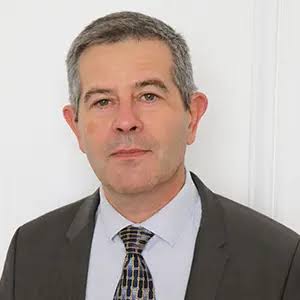 Dr. Eric Tardieu is an internationally recognized water policy and management expert, serving as the Director General of the International Office for Water (OiEau) since 2017 and Secretary General of the International Network of Basin Organizations (INBO) since 2018. A graduate of the École Polytechnique and a Ph.D. holder in Process Engineering specializing in wastewater treatment, he has over 25 years of experience in water governance, environmental policy, and international cooperation. Dr. Tardieu has led initiatives in integrated water resources management, capacity building, and water information systems, and currently serves as Vice-President of the World Water Council, advancing global collaboration on sustainable water management. |
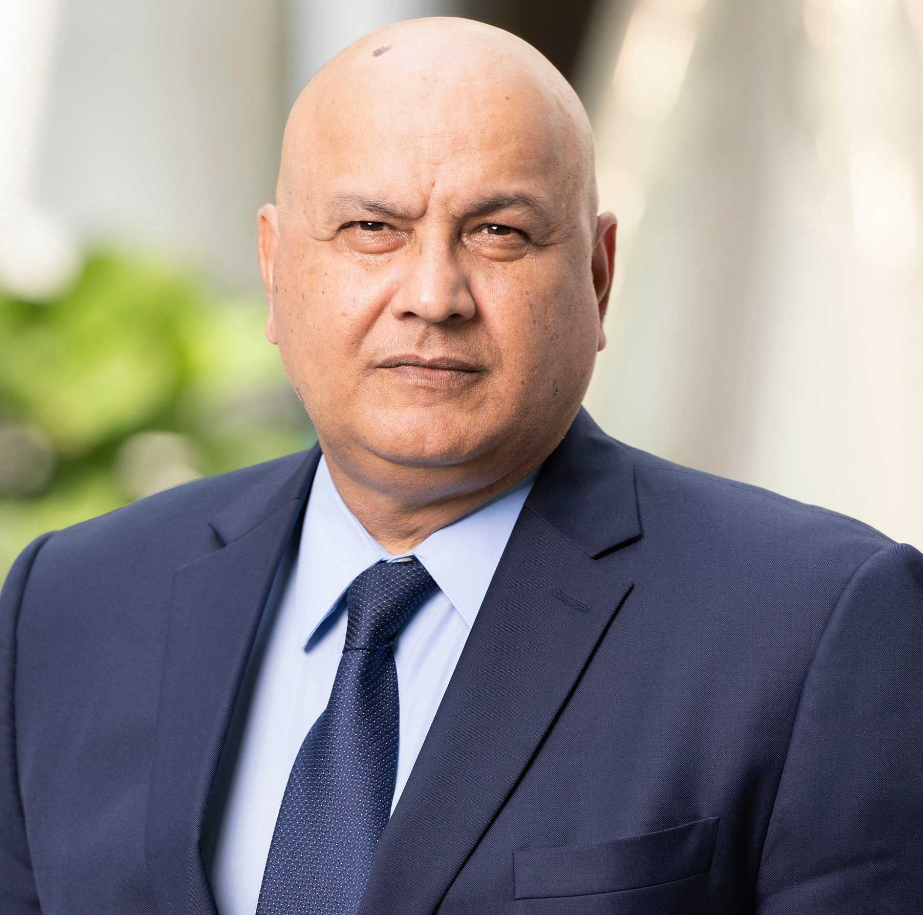 Mr. Saroj Kumar Jha is the Global Director of the World Bank Group’s Water Department, leading a $27 billion portfolio of water-related investments, analytical work and global partnerships. He drives the global water agenda, advancing water security as a cornerstone of climate resilience and sustainable development. Previously, he served as Regional Director for the Middle East and Central Asia, Senior Director of the Fragility, Conflict and Violence Global Practice, and Global Manager for Disaster Risk Management. An Indian Administrative Service officer (1990–2005), Mr. Jha joined the World Bank in 2005, bringing extensive experience in infrastructure, governance, disaster risk reduction and natural resource management. |
| Ms. Mikiko Tanaka | Ms. Madhushree Chatterjee |
 Ms. Mikiko Tanaka is the Director and Head of ESCAP Subregional Office for South and South-West Asia in New Delhi, bringing over 26 years of experience within the United Nations system. She served as UN Resident Coordinator in Guyana, where she led strategic dialogues, coordinated UN Country Team efforts for the 2030 Agenda, supported the Voluntary National Review, and guided socio-economic policy responses to COVID-19. Her earlier roles include UNDP leadership positions in Yemen, Timor-Leste, Pakistan, Benin, China, and Lao PDR. Before joining the UN, she worked with an NGO in Thailand and in Japan’s financial sector. She holds master’s degrees in public policy and rural development management and a bachelor’s from International Christian University. |
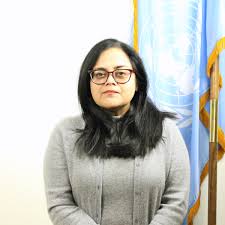 Ms. Madhushree Chatterjee is the Secretary of UN-Water and Chief of the Natural Resources and Inter-linkages Branch at the Division for Sustainable Development Goals, United Nations Department of Economic and Social Affairs, New York. She has extensive experience in advancing the 2030 Agenda and Sustainable Development Goals (SDGs). Previously, she served as Principal Economic Affairs Officer and later Chief of the Strategic Planning and Communication Service at DESA, contributing to strategic planning, communication, and programme coordination. She also supported the DESA Editorial Board. Ms Chatterjee earned a PhD in Economics from University of California, Santa Cruz. |
| Mr. Deger Saygin | Prof. Rabi Mohtar |
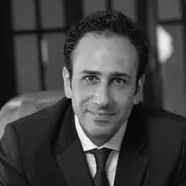 Mr. Deger Saygin is a Team Lead and Senior Policy Analyst at the OECD Environment Directorate, working on industrial decarbonisation, clean energy finance and investment mobilisation. He contributes to initiatives supporting low-carbon industry, including financing green hydrogen and decarbonising steel production. From 2013 to 2017, he developed and led the International Renewable Energy Agency’s renewable energy roadmap programme, supporting 70 countries in advancing renewable energy and energy efficiency. At Utrecht University (2007–2012), he researched resource efficiency for governments, international organisations and industry. He holds a PhD from Utrecht University and an Environmental Engineering degree from Middle East Technical University in Ankara. |
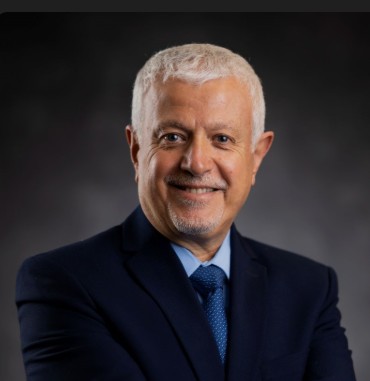 Prof. Rabi Mohtar is the TEES Endowed Professor at Texas A&M University and Founding Director of the Qatar Environment and Energy Research Institute. He also served as Founding Director of Strategic Projects at Qatar Foundation and inaugural Director of Global Engineering Programs at Purdue University. His work focuses on conserving natural resources, including land, water, air, and biodiversity, while addressing global challenges such as food and water security. Professor Mohtar has developed sustainable water management programs for arid regions, and his research methods are widely adopted internationally. |
| Ms. Sara Castro-Hallgren | Ms. Chitembo Kawimbe Chunga |
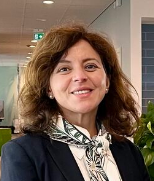 Ms. Sara Castro-Hallgren is a Senior Manager for International Policy and Processes at the Stockholm International Water Institute (SIWI), where she advances the integration of water into global sustainability and climate policy. She brings nearly 17 years of experience with the United Nations, having worked with over 50 Member States across Asia, Africa, and Latin America and the Caribbean. Her expertise includes international cooperation, policy reform, sustainable development, resource efficiency and evidence-based policymaking. She also chairs the Water for Climate Pavilion Secretariat and leads SIWI’s work on Water in a Changing Climate. She holds degrees from Harvard University, Erasmus University Rotterdam and George Washington University. |
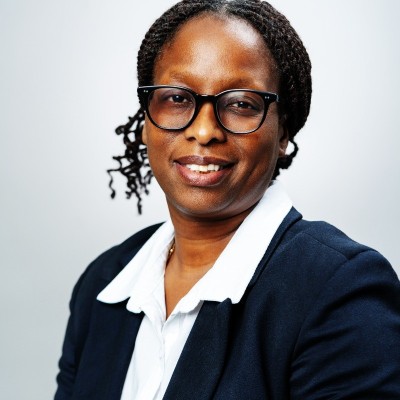 Ms. Chitembo Kawimbe Chunga is Head of Adaptation at the Climate Investment Funds (CIF), bringing around 20 years of experience in Zambia’s public sector and international development. Her expertise spans climate resilience, adaptation, development planning, policy dialogue, donor engagement and programme implementation. At CIF, she has served as Senior Climate Change Specialist and Lead for the Climate Smart Cities Programme, guiding its development and implementation while supporting the coordination of resilience programmes. She holds a Master’s in International Development Studies from the National Graduate Institute for Policy Studies, Tokyo, and a Bachelor’s in Urban and Regional Planning from Copperbelt University, Zambia. She is a Fellow of the Zambia Institute of Planners. |
| Dr. Nidhi Pundhir | Mr. Bienvenu Ongoundou |
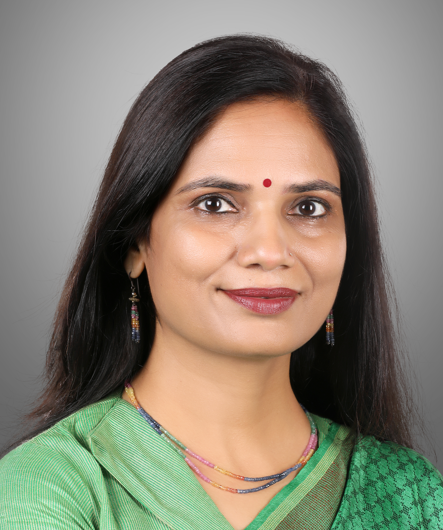 Dr. Nidhi Pundhir is Senior Vice President, Global CSR at HCLTech and Director of HCLFoundation, the company’s CSR arm in India. With over 27 years of experience in humanitarian services, socioeconomic development, human rights and environmental action, she leads global CSR initiatives aligned with the United Nations Sustainable Development Goals. She has developed impactful programmes addressing poverty, child protection, public health and environmental sustainability, focusing on disadvantaged communities. Previously, she served as Director of Programme Development, Asia, at SOS Children’s Villages and Global Advisor on Child Protection in Development at Plan International. She holds a doctorate in Public Health Management. |
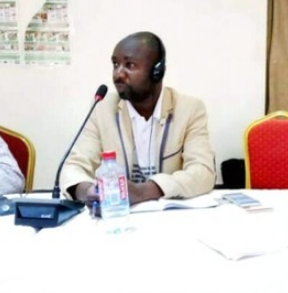 Mr. Bienvenu Ongoundou is Vice President and Regional Technical Advisor for Public and Private Partnerships at the Africa Climate Action Initiative (ACAI). He works to strengthen climate action through strategic partnerships, stakeholder engagement and regional cooperation across Africa. His work spans climate policy advocacy, public-private collaboration, sustainable development, forest conservation, climate resilience and resource mobilisation. He has actively represented ACAI in international climate and environmental forums, including the 2024 International Conference on Afforestation and Reforestation in Congo-Brazzaville, where he advocated climate finance mechanisms, greenhouse gas emissions pricing and support for vulnerable communities. He contributes to advancing Africa’s collective climate action agenda. |
| Ms. Evelyn Esi Tchouchu | Ms. Shweta Tyagi |
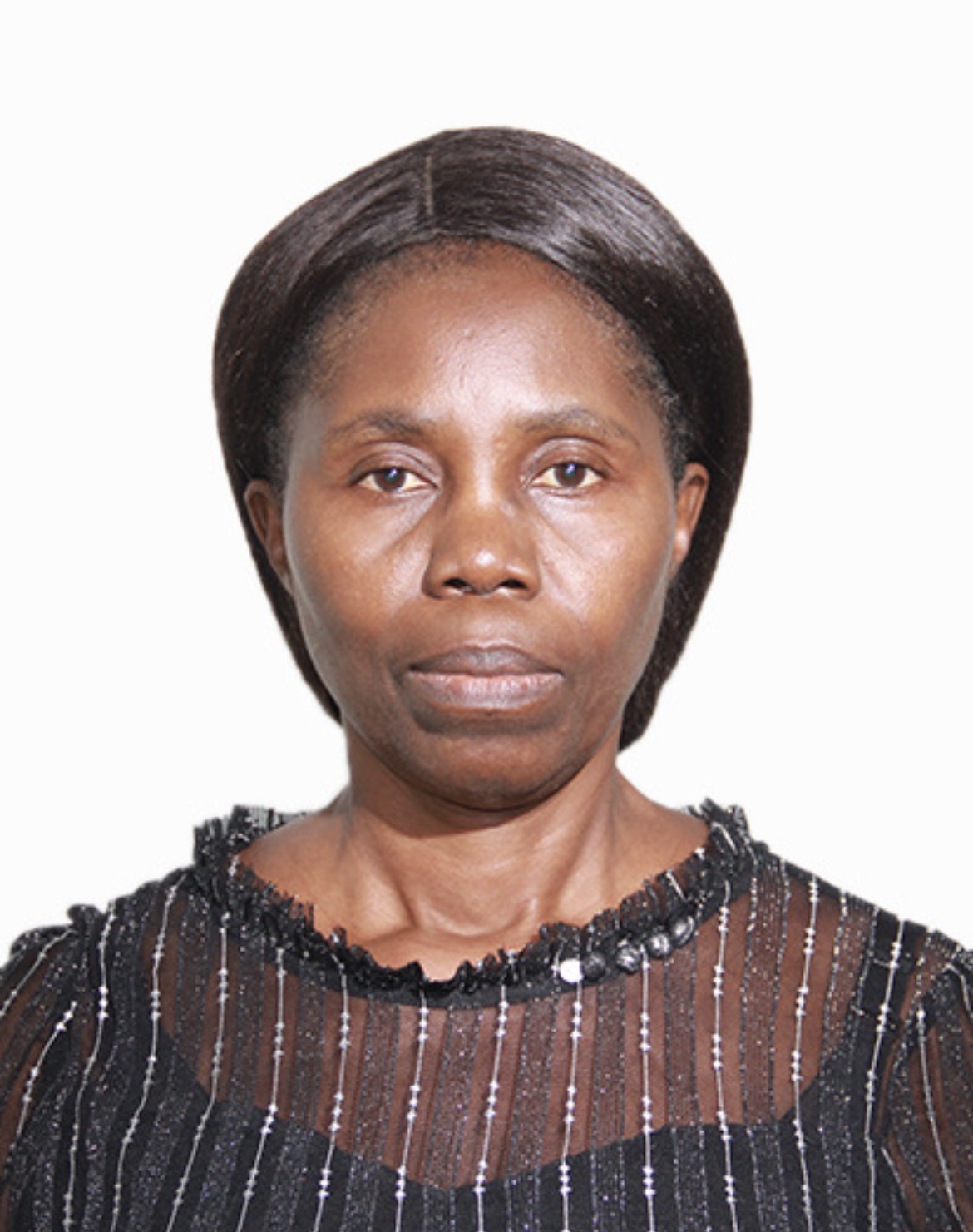
Ms. Evelyn Esi Tchouchu is a Ghanaian professional serving as the Chief Administrative Assistant at the School of Sustainable Engineering, University of Cape Coast (UCC), Ghana. She holds a Bachelor’s Degree in Religious Studies and Business Administration, an MBA in Health Services Administration, and an M.Phil. in Management. She also serves as the Projects Manager at Giving Life Nature Volunteer, contributing to project management and sustainability initiatives. |
 Ms. Shweta Tyagi is Chief Functionary, India Water Foundation. She is results-focused development sector professional with a 23 years of demonstrated history and a proven ability to manage project teams to deliver multiple projects and programmes across diverse sectors of sustainable Development, Water and Sanitation, Social Development, Livelihood Generation, climate change etc. Excellent knowledge of project management and strategic planning of partnership creation and coordination, as well as advising decision-makers and strengthening capacities. Experience of Natural Resource management among rural communities for implementing. |

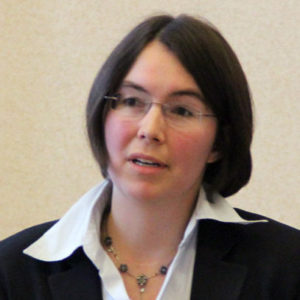 Ms. Sonja Koeppel leads the water team at the United Nations Economic Commission for Europe and serves as secretary to the Convention on the Protection and Use of Transboundary Watercourses and International Lakes (Water Convention) and co-secretary to the UNECE/ WHO-Europe Protocol on Water and Health. She has worked for more than 10 years in the secretariat, for example coordinating the activities on climate change adaptation. Before joining UNECE, she worked for UNEP in Nairobi and studied in Budapest, Stuttgart, Bordeaux and Manchester.
For more details please contact –
Ms. Shweta Tyagi
Chief Functionary
India Water Foundation
Email: shweta.tyagi@indiawaterfoundation.org
Mobile: +91 9899819074