



INTRODUCTION
Climate change, ecosystem degradation, and biodiversity loss are deeply interlinked challenges, where fragmented and sector-specific approaches often lead to limited or even counterproductive outcomes.1Transversality provides an integrated approach that connects sectors such as environment, water, energy, agriculture, and health to address these challenges holistically rather than in isolation. It enables coordinated policy and action across systems, ensuring that climate responses simultaneously advance environmental sustainability and biodiversity conservation. When applied at the local level, this approach becomes particularly powerful, as communities are at the frontline of climate impacts and are key actors in managing natural resources, restoring ecosystems, and driving sustainable practices. Local action, therefore, becomes the operational bridge that connects broader climate goals with tangible outcomes in ecosystem restoration, resilience building, and biodiversity conservation.
This integrated approach is increasingly supported by global scientific and policy discourse. The IPCC’s AR6 Working Group II report stresses ecosystem-based adaptation and mitigation as vital for tackling climate risks, including biodiversity loss and ecosystem degradation2, while the IPBES’s Nexus Assessment warns that disconnected governance accelerates biodiversity decline across biodiversity, climate, food, water, and health systems, urging coordinated action3. Similarly, the UNEP promotes nature-based solutions (NbS) to concurrently address climate change, ecological degradation, and societal needs like water security4. In this context, approaches such as rewilding, landscape restoration, and community-led conservation illustrate how local urban interventions can generate multiple co-benefits, including carbon sequestration, improved ecosystem services, water security, and sustainable livelihoods bridging global ambitions with on-ground resilience yielding economic-ecological benefits.
OBJECTIVE
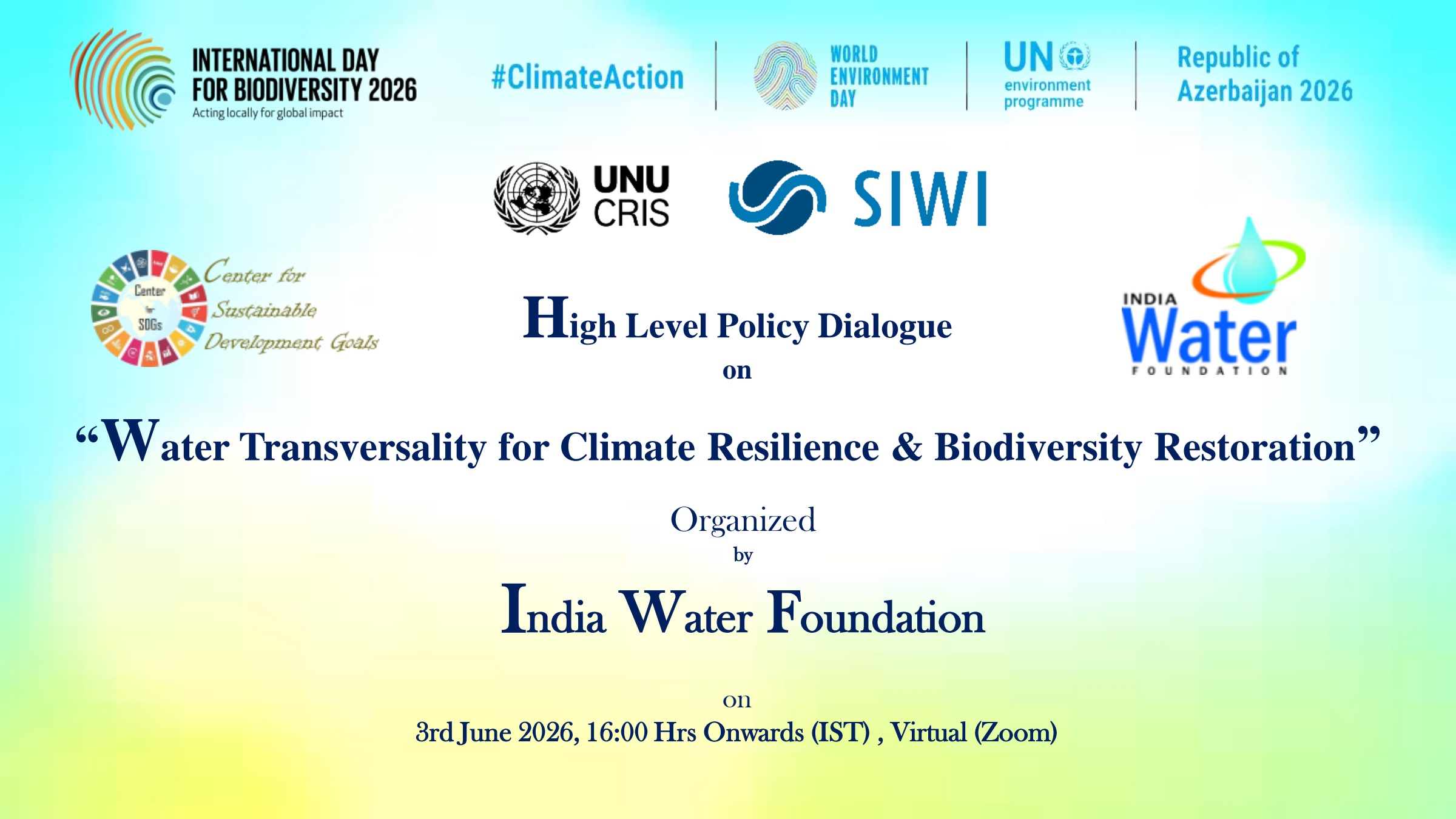
The session aims to demonstrate how transversality can be operationalized as an integrated policy and practice framework to address climate urgency through locally driven action. The dialogue will generate actionable insights for advancing coordinated, cross-sectoral, and inclusive policy approaches that bridge global climate ambitions with on-ground implementation. It will further contribute to strengthening resilient, nature-positive development pathways aligned with broader sustainable development priorities.
Joining Link : https://us06web.zoom.us/j/81401955518?pwd=EoqDkpPYlY3t6mFOik1HLuWEusfGG6.1
Webinar ID: 814 0195 5518
Passcode: 087391
CHAIR ADDRESS |
|
Dr. Raj Bhushan Chaudhary  |
|
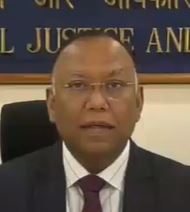
 Dr. Raj Bhushan Choudhary is an Indian doctor-turned-politician and the Minister of State for Jal Shakti in the Narendra Modi government. He holds MBBS and MD degrees and began his political career in 2019 with the Vikassheel Insaan Party before joining the BJP in 2022. Dr. Choudhary is known for his dynamic leadership and commitment to public service. In 2024, he was elected as a Member of Parliament from Muzaffarpur with a record margin of over 234,000 votes. Associated with organizations like RSS and Nishad Vikas Sangh, he has also served as the Bihar Unit President of the National Association of Fishermen.
|
|
Eminent Speaker |
| Dr. Arvind Kumar |
Shri Amit Kumar Ghosh |
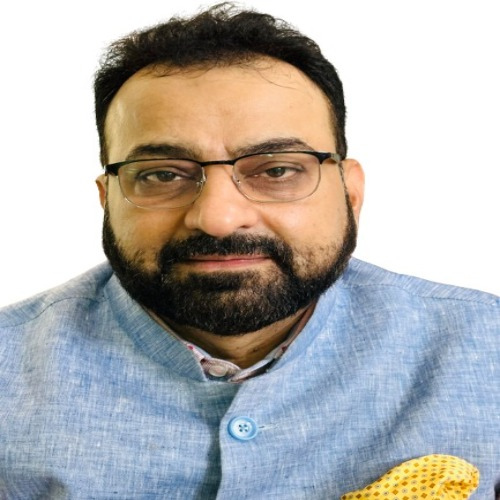 Dr. Arvind Kumar is a strategist and key-influencer in development sector with more than 31+ years of experience as an author, columnist, Water and Human Rights Pro-activist, and specializes in concepts like ecosystem-based adaptation, water-energy-food nexus, with specific emphasis on Transversal approach of inter-linkages between water, environment and SDGs. He has published over 500 plus research articles and several books. He is a proud recipient of Achievers Award for his contribution to the Environment from International Human Rights Organization in collaboration with United Nations Information Centre, India. Dr. Arvind Kumar is a strategist and key-influencer in development sector with more than 31+ years of experience as an author, columnist, Water and Human Rights Pro-activist, and specializes in concepts like ecosystem-based adaptation, water-energy-food nexus, with specific emphasis on Transversal approach of inter-linkages between water, environment and SDGs. He has published over 500 plus research articles and several books. He is a proud recipient of Achievers Award for his contribution to the Environment from International Human Rights Organization in collaboration with United Nations Information Centre, India. |
 Shri Amit Kumar Ghosh is the Additional Chief Secretary in the Medical, Health & Family Welfare and Medical Education Department, Government of Uttar Pradesh. An I.A.S. officer of the Uttar Pradesh cadre, he holds a B.E. (Electronics) from Andhra University, Visakhapatnam; an M.Sc. in Public Management and Governance from the London School of Economics; and an M.A. in Defence Studies from Meerut University. Shri Amit Kumar Ghosh is the Additional Chief Secretary in the Medical, Health & Family Welfare and Medical Education Department, Government of Uttar Pradesh. An I.A.S. officer of the Uttar Pradesh cadre, he holds a B.E. (Electronics) from Andhra University, Visakhapatnam; an M.Sc. in Public Management and Governance from the London School of Economics; and an M.A. in Defence Studies from Meerut University. |
| Ms. Astrid Schomaker | Mr. Satya S. Tripathi |
|
|
|
| Mr. Yugal Kishore Joshi | Dr. Rabi Mohtar |
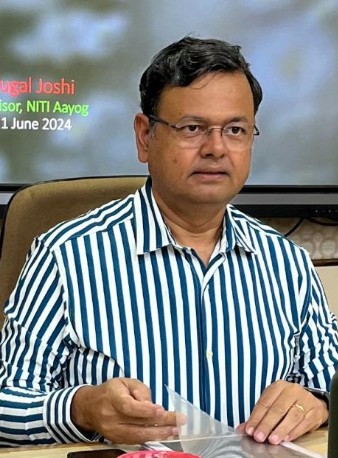 Shri Yugal Kishore Joshi is a Programme Director at NITI Aayog, the Government of India’s premier public policy think tank. He oversees key sectors including Drinking Water and Sanitation, Water and Land Resources, IT and Telecom, Tourism and Culture, and also leads communications and North-East region engagement. He plays a significant role in policy design, inter-ministerial coordination, and implementation support for national development initiatives. Previously, he served as Director, Swachh Bharat Mission and Director, Jal Jeevan Mission under the Ministry of Jal Shakti. He is a recipient of the Prime Minister’s Award for Excellence in Public Administration and the Indian Police Medal for Meritorious Service. Shri Yugal Kishore Joshi is a Programme Director at NITI Aayog, the Government of India’s premier public policy think tank. He oversees key sectors including Drinking Water and Sanitation, Water and Land Resources, IT and Telecom, Tourism and Culture, and also leads communications and North-East region engagement. He plays a significant role in policy design, inter-ministerial coordination, and implementation support for national development initiatives. Previously, he served as Director, Swachh Bharat Mission and Director, Jal Jeevan Mission under the Ministry of Jal Shakti. He is a recipient of the Prime Minister’s Award for Excellence in Public Administration and the Indian Police Medal for Meritorious Service. |
|
| Ms. Helena Thybell | Mr. Nilesh Rajadhyaksha |
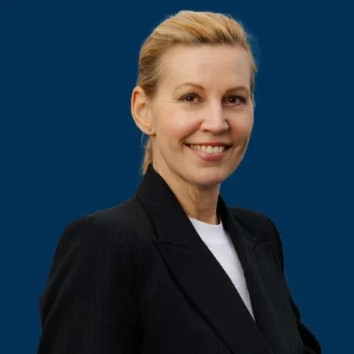 Ms. Helena Thybell is the Executive Director of Stockholm International Water Institute. She holds a bachelor’s degree in social science from Lund University and has completed further studies in leadership, sustainability, and strategy. She previously served as CEO of Save the Children Sweden (2019–2023), leading organizational transformation and global strategy. Earlier, she was Head of HR at H&M Group, overseeing workforce strategy and culture. She has also been CEO of the H&M Foundation and the Swedish Postcode Foundation, focusing on social innovation and climate action. Internationally, she has worked with the Swedish Red Cross and Save the Children International, contributing to humanitarian and development efforts. Her career centers on social impact, sustainability, and global development. Ms. Helena Thybell is the Executive Director of Stockholm International Water Institute. She holds a bachelor’s degree in social science from Lund University and has completed further studies in leadership, sustainability, and strategy. She previously served as CEO of Save the Children Sweden (2019–2023), leading organizational transformation and global strategy. Earlier, she was Head of HR at H&M Group, overseeing workforce strategy and culture. She has also been CEO of the H&M Foundation and the Swedish Postcode Foundation, focusing on social innovation and climate action. Internationally, she has worked with the Swedish Red Cross and Save the Children International, contributing to humanitarian and development efforts. Her career centers on social impact, sustainability, and global development. |
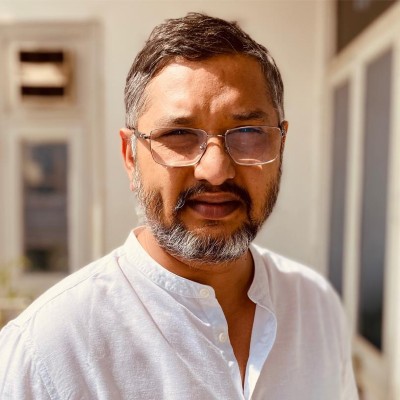 Mr. Nilesh Rajadhyaksha is the Country Programme Manager at UN-Habitat India with over 20 years of experience in urban development, policy, and planning. He has worked with institutions including the National Institute of Urban Affairs, National Institute of Public Finance and Policy, IDFC Foundation, and the World Bank. He contributed to initiatives such as the AMRUT Mission, Smart Cities Mission, Delhi Master Plan 2041, and Urban20 during India’s G20 Presidency. Trained as an architect and urban planner, he leads programme implementation and partnerships across India. Mr. Nilesh Rajadhyaksha is the Country Programme Manager at UN-Habitat India with over 20 years of experience in urban development, policy, and planning. He has worked with institutions including the National Institute of Urban Affairs, National Institute of Public Finance and Policy, IDFC Foundation, and the World Bank. He contributed to initiatives such as the AMRUT Mission, Smart Cities Mission, Delhi Master Plan 2041, and Urban20 during India’s G20 Presidency. Trained as an architect and urban planner, he leads programme implementation and partnerships across India. |
| Ms. Madhushree Chatterjee | Dr. Nidhi Nagabhatla |
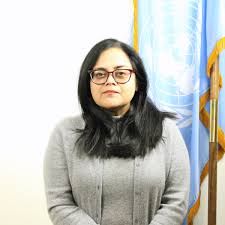 Ms. Madhushree Chatterjee is the Secretary of UN-Water and Chief of the Natural Resources and Inter-linkages Branch at the Division for Sustainable Development Goals, United Nations Department of Economic and Social Affairs, New York. She has extensive experience in advancing the 2030 Agenda and Sustainable Development Goals (SDGs). Previously, she served as Principal Economic Affairs Officer and later Chief of the Strategic Planning and Communication Service at DESA, contributing to strategic planning, communication, and programme coordination. She also supported the DESA Editorial Board. Ms Chatterjee earned a PhD in Economics from University of California, Santa Cruz. Ms. Madhushree Chatterjee is the Secretary of UN-Water and Chief of the Natural Resources and Inter-linkages Branch at the Division for Sustainable Development Goals, United Nations Department of Economic and Social Affairs, New York. She has extensive experience in advancing the 2030 Agenda and Sustainable Development Goals (SDGs). Previously, she served as Principal Economic Affairs Officer and later Chief of the Strategic Planning and Communication Service at DESA, contributing to strategic planning, communication, and programme coordination. She also supported the DESA Editorial Board. Ms Chatterjee earned a PhD in Economics from University of California, Santa Cruz. |
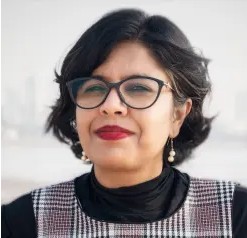 Dr. Nidhi Nagabhatla is a sustainability scientist and systems analyst serving as Senior Research Fellow and Cluster Coordinator for the Nature, Climate and Health programme at UNU-CRIS. With over 21 years of international experience, she has led interdisciplinary projects across Asia, Africa, Europe, and the Americas in collaboration with organizations including FAO, IUCN, IWMI, and the United Nations University. She also holds academic affiliations with global universities, contributes to UN ecosystem restoration initiatives, and has authored more than 200 scientific and policy publications on sustainability, climate resilience, and environmental governance. Dr. Nidhi Nagabhatla is a sustainability scientist and systems analyst serving as Senior Research Fellow and Cluster Coordinator for the Nature, Climate and Health programme at UNU-CRIS. With over 21 years of international experience, she has led interdisciplinary projects across Asia, Africa, Europe, and the Americas in collaboration with organizations including FAO, IUCN, IWMI, and the United Nations University. She also holds academic affiliations with global universities, contributes to UN ecosystem restoration initiatives, and has authored more than 200 scientific and policy publications on sustainability, climate resilience, and environmental governance. |
| Ms. Archana Chatterjee | Ms. Shweta Tyagi |
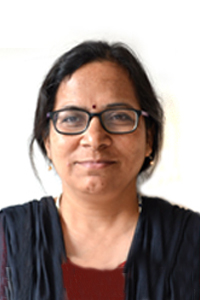 Ms. Archana Chatterjee is leading the Mangroves for Future Initiative in India as National Coordinator at IUCN India office. She also worked as Project Manager, for another IUCN initiative, Ecosystems for Life: A Bangladesh-India Initiative, leading the India component. Before joining IUCN, she was working with the UNESCO- New Delhi Office as National Project Coordinator, World Heritage Biodiversity Programme, India. She has also worked as Head, Regional Programme on Himalayan High Altitude Wetlands and Rivers, WWF-India. Her primary areas of expertise include wetland management, environmental flows and transboundary water management. Ms. Archana Chatterjee is leading the Mangroves for Future Initiative in India as National Coordinator at IUCN India office. She also worked as Project Manager, for another IUCN initiative, Ecosystems for Life: A Bangladesh-India Initiative, leading the India component. Before joining IUCN, she was working with the UNESCO- New Delhi Office as National Project Coordinator, World Heritage Biodiversity Programme, India. She has also worked as Head, Regional Programme on Himalayan High Altitude Wetlands and Rivers, WWF-India. Her primary areas of expertise include wetland management, environmental flows and transboundary water management. |
 Ms. Shweta Tyagi is Chief Functionary, India Water Foundation. She is results-focused development sector professional with a 23 years of demonstrated history and a proven ability to manage project teams to deliver multiple projects and programmes across diverse sectors of sustainable Development, Water and Sanitation, Social Development, Livelihood Generation, climate change etc. Excellent knowledge of project management and strategic planning of partnership creation and coordination, as well as advising decision-makers and strengthening capacities. Experience of Natural Resource management among rural communities for implementing. Ms. Shweta Tyagi is Chief Functionary, India Water Foundation. She is results-focused development sector professional with a 23 years of demonstrated history and a proven ability to manage project teams to deliver multiple projects and programmes across diverse sectors of sustainable Development, Water and Sanitation, Social Development, Livelihood Generation, climate change etc. Excellent knowledge of project management and strategic planning of partnership creation and coordination, as well as advising decision-makers and strengthening capacities. Experience of Natural Resource management among rural communities for implementing. |
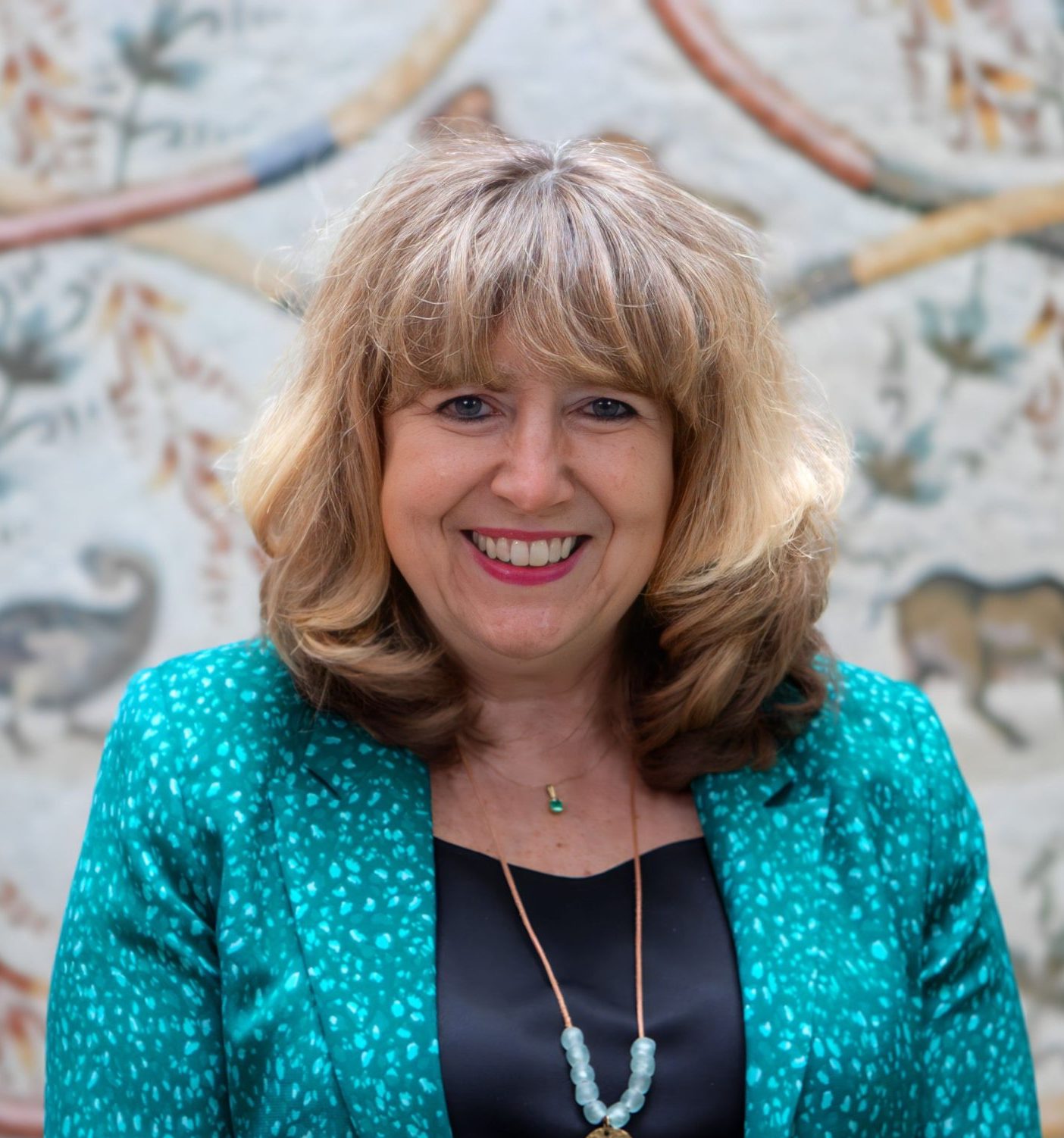
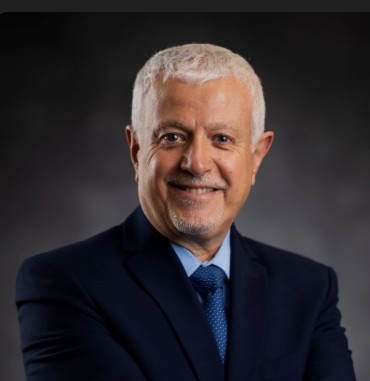
 Mr. Satya S. Tripathi is Secretary-General of the Global Alliance for a Sustainable Planet. A development economist, lawyer and changemaker with over 40 years of varied experience, Mr. Tripathi is also the Chancellor of Kalinga Institute of Social Sciences – and Senior Distinguished Fellow on Innovative Finance at the World Agroforestry Centre. He has served with the UN for more than two decades in key positions and was most recently the UN Assistant Secretary-General, Head of New York Office at UN Environment and Secretary of the UN Environment Management Group.
 Dr.
Dr. For more information please contact-
Ms. Shweta Tyagi
Chief Functionary
India Water Foundation
Email: shweta.tyagi@indiawaterfoundation.org
Mobile: +91 9899819074