



Introduction
Water is the invisible thread that runs through every dimension of sustainable development from food security and energy provision to public health, biodiversity conservation, and climate resilience. Yet, despite its centrality, water continues to be governed and managed through fragmented, sector-specific frameworks rather than the integrating force it truly is. This structural disconnect has severely undermined global progress on SDG 6.
The evidence is unambiguous and alarming. As of 2025, 2.2 billion people still lacked safely managed drinking water.1 At the current pace, the world will not achieve sustainable water management until at least 2049 nearly two decades beyond the SDG deadline3. The financing dimension is particularly stark. Achieving universal access to safely managed water by 2030 requires approximately USD 114 billion per year in new capital investment yet ODA to the sector hovers around USD 13 billion annually, representing less than 12% of the need. WaterAid estimates an annual financing gap of USD 140 billion2, while broader assessments, including by OECD, place total water security investment requirements at up to USD 500 billion per year. Bridging this gap demands not incremental adjustments, but a fundamental transformation in how water is governed, financed, and integrated across sectors.
This transformation is anchored in the concept of Water Transversality an integrated, cross-sectoral approach that positions water as the central connecting thread across development systems, explicitly linking it with energy, food, health, environment, climate, economy, governance, and social equity. When applied at the scale of multi-stakeholder partnerships, this approach becomes a powerful lever for accelerating SDG 6 implementation.
The scientific and policy case for this approach is well established. The IPCC’s Sixth Assessment Report (AR6) stresses ecosystem-based adaptation and mitigation as vital for tackling climate risks, including biodiversity loss and ecosystem degradation4. The IPBES Nexus Assessment warns that disconnected governance accelerates biodiversity decline across climate, food, water, and health systems, urgently calling for coordinated action5. The UN Environment Programme promotes nature-based solutions (NbS) to concurrently address climate change, ecological degradation, and societal needs such as water security6. The 2026 UN Water Conference, has itself placed “Accelerating SDG 6 through Collective Action and Multi-stakeholder Partnerships” at the heart of its preparatory processes, reflecting a global consensus that no single sector or government can achieve SDG 6 alone7. Therefore, transversality-based, water-centred solutions offer the most robust pathway to transformative and sustainable outcomes. Multi-stakeholder partnerships are the institutional vehicle through which such solutions can be designed, financed, implemented, and scaled.
Objective
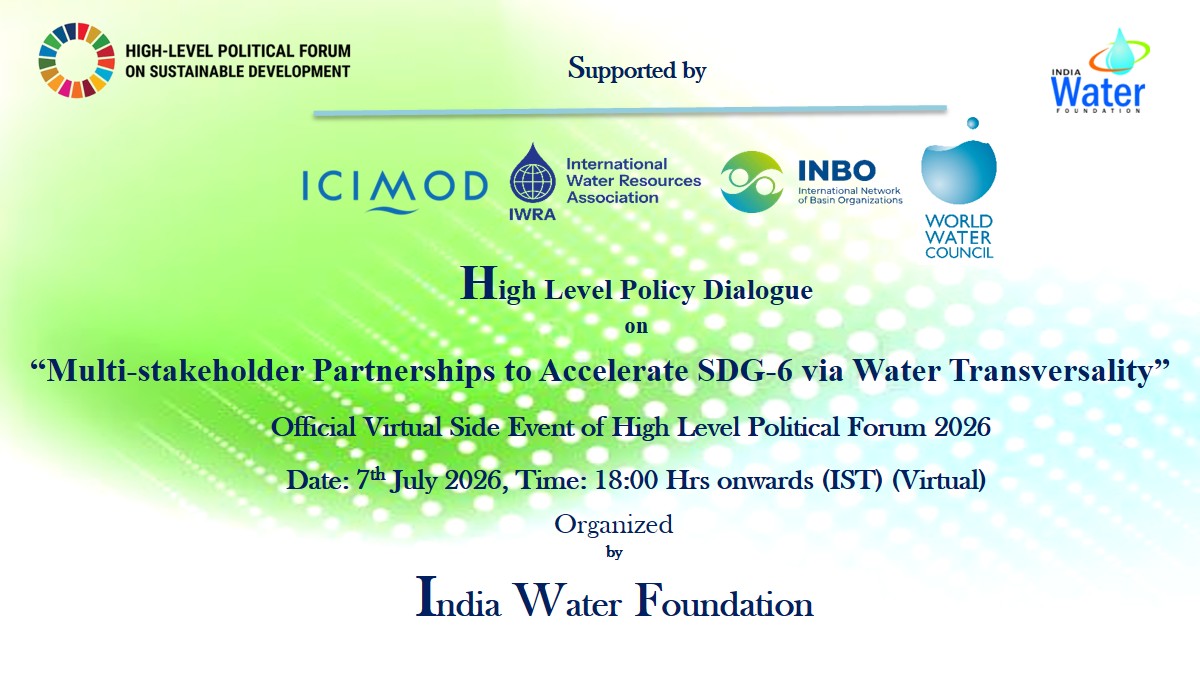
The proposed high-level policy dialogue will bring together representatives from governments, intergovernmental organisations, civil society, the private sector, academia, and community-based organisations to advance a multi-stakeholder partnership agenda for accelerating SDG 6 through the Water Transversality framework. The dialogue will explore how water can be positioned as a unifying element across sectors such as environment, agriculture, energy, health, urban development, and climate action; identify innovative governance models, financing mechanisms, and community-led solutions that bridge global commitments with local implementation; and generate actionable recommendations for strengthening cross-sectoral policy coherence, partnership architectures, and blended finance approaches. It will also contribute evidence-based inputs to the preparatory process for the 2026 UN Water Conference, and COP 31 while promoting inclusive water governance through the meaningful participation of women, youth, Indigenous Peoples, and local communities. Ultimately, the dialogue seeks to advance integrated, climate-resilient, nature-positive, and biodiversity-supportive water management pathways aligned with the SDGs, the Paris Agreement, and the Kunming–Montreal Global Biodiversity Framework.
Joining Link : https://us06web.zoom.us/j/83632144719?pwd=uc8Qf6ohlBbBN9veXTSxCyjSNEwO3D.1
Webinar ID: 836 3214 4719
Passcode: 431105
Eminent Speaker |
Dr. Arvind Kumar |
Mr. Amit Kumar Ghosh |
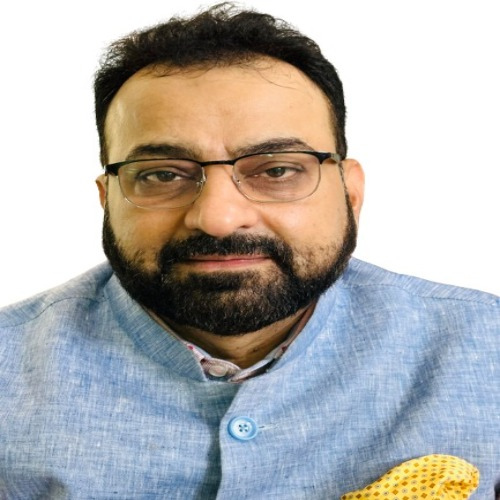 Dr. Arvind Kumar is a strategist and key-influencer in development sector with more than 31+ years of experience as an author, columnist, Water and Human Rights Pro-activist, and specializes in concepts like ecosystem-based adaptation, water-energy-food nexus, with specific emphasis on Transversal approach of inter-linkages between water, environment and SDGs. He has published over 500 plus research articles and several books. He is a proud recipient of Achievers Award for his contribution to the Environment from International Human Rights Organization in collaboration with United Nations Information Centre, India. Dr. Arvind Kumar is a strategist and key-influencer in development sector with more than 31+ years of experience as an author, columnist, Water and Human Rights Pro-activist, and specializes in concepts like ecosystem-based adaptation, water-energy-food nexus, with specific emphasis on Transversal approach of inter-linkages between water, environment and SDGs. He has published over 500 plus research articles and several books. He is a proud recipient of Achievers Award for his contribution to the Environment from International Human Rights Organization in collaboration with United Nations Information Centre, India. |
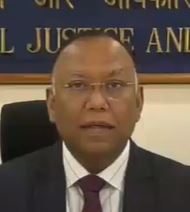 Shri Amit Kumar Ghosh, IAS is the Additional Chief Secretary in the Medical, Health & Family Welfare and Medical Education Department, Government of Uttar Pradesh. An I.A.S. officer of the Uttar Pradesh cadre, he holds a B.E. (Electronics) from Andhra University, Visakhapatnam; an M.Sc. in Public Management and Governance from the London School of Economics; and an M.A. in Defence Studies from Meerut University. Shri Amit Kumar Ghosh, IAS is the Additional Chief Secretary in the Medical, Health & Family Welfare and Medical Education Department, Government of Uttar Pradesh. An I.A.S. officer of the Uttar Pradesh cadre, he holds a B.E. (Electronics) from Andhra University, Visakhapatnam; an M.Sc. in Public Management and Governance from the London School of Economics; and an M.A. in Defence Studies from Meerut University.
. |
| Mr. Sampath Kumar | Dr. Eric Tardieu |
|
|
|
| Ms. Sonja Koeppel | Ms. Mio Oka |
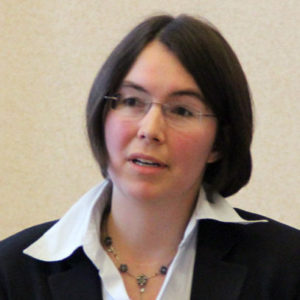 Ms. Sonja Koeppel leads the water team at the United Nations Economic Commission for Europe and serves as secretary to the Convention on the Protection and Use of Transboundary Watercourses and International Lakes (Water Convention) and co-secretary to the UNECE/ WHO-Europe Protocol on Water and Health. She has worked for more than 10 years in the secretariat, for example coordinating the activities on climate change adaptation. Before joining UNECE, she worked for UNEP in Nairobi and studied in Budapest, Stuttgart, Bordeaux and Manchester. Ms. Sonja Koeppel leads the water team at the United Nations Economic Commission for Europe and serves as secretary to the Convention on the Protection and Use of Transboundary Watercourses and International Lakes (Water Convention) and co-secretary to the UNECE/ WHO-Europe Protocol on Water and Health. She has worked for more than 10 years in the secretariat, for example coordinating the activities on climate change adaptation. Before joining UNECE, she worked for UNEP in Nairobi and studied in Budapest, Stuttgart, Bordeaux and Manchester.
|
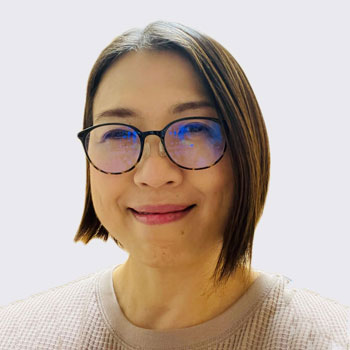 Ms. Mio Oka is the Country Director for India at the Asian Development Bank (ADB), where she leads ADB’s operations in India and works closely with the Government of India and development partners to support inclusive and sustainable development. With nearly three decades of professional experience, including over 20 years at ADB, she has held leadership positions in agriculture, natural resources, climate resilience, and rural development across South and Southeast Asia. Prior to her current role, she served as Director of ADB’s Emerging Areas Team and as Senior Advisor to the ADB President. She has played a key role in advancing sustainable infrastructure, climate resilience, and development cooperation across the region. Ms. Mio Oka is the Country Director for India at the Asian Development Bank (ADB), where she leads ADB’s operations in India and works closely with the Government of India and development partners to support inclusive and sustainable development. With nearly three decades of professional experience, including over 20 years at ADB, she has held leadership positions in agriculture, natural resources, climate resilience, and rural development across South and Southeast Asia. Prior to her current role, she served as Director of ADB’s Emerging Areas Team and as Senior Advisor to the ADB President. She has played a key role in advancing sustainable infrastructure, climate resilience, and development cooperation across the region. |
| Prof. Dr. Eddy J. Moors | Ms. Ulrike Kelm |
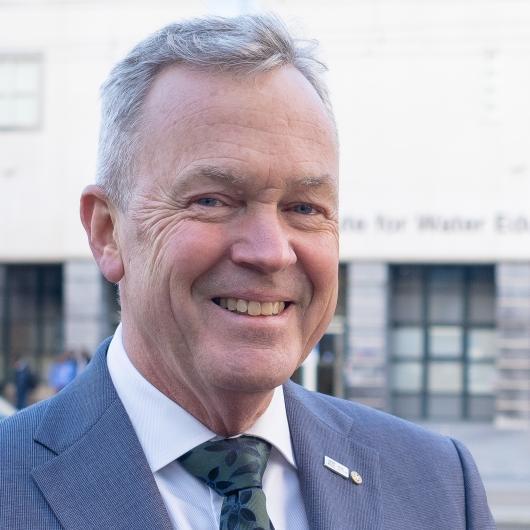 Prof. Dr. Eddy Moors is a distinguished Dutch hydrologist, climate scientist, and water management expert. He has served as Rector and Director of IHE Delft Institute for Water Education, the world’s leading international graduate institute for water education under the auspices of UNESCO. With extensive experience in hydrology, climate change, and sustainable water management, he has led numerous international research and policy initiatives focused on water security, climate resilience, and integrated water resources management. Prof. Moors has worked closely with governments, academic institutions, and international organizations to advance science-based solutions, capacity development, and global cooperation in addressing complex water and climate challenges. Prof. Dr. Eddy Moors is a distinguished Dutch hydrologist, climate scientist, and water management expert. He has served as Rector and Director of IHE Delft Institute for Water Education, the world’s leading international graduate institute for water education under the auspices of UNESCO. With extensive experience in hydrology, climate change, and sustainable water management, he has led numerous international research and policy initiatives focused on water security, climate resilience, and integrated water resources management. Prof. Moors has worked closely with governments, academic institutions, and international organizations to advance science-based solutions, capacity development, and global cooperation in addressing complex water and climate challenges. |
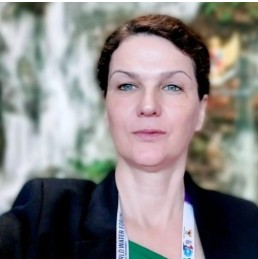 Ms. Ulrike Kelm is the Deputy Executive Director of the International Water Resources Association (IWRA), where she supports the Association’s strategic direction, global programmes, partnerships, communications, and governance. An international relations and communications professional with over 20 years of experience, she has worked at the intersection of water, sustainable development, and international cooperation. Throughout her career, she has held senior communications and advocacy roles with United Nations entities, governmental institutions, and international organizations, fostering collaboration between science, policy, and practice. Ms. Kelm is widely recognized for advancing global dialogue, stakeholder engagement, and partnerships to strengthen sustainable water governance and international cooperation. Ms. Ulrike Kelm is the Deputy Executive Director of the International Water Resources Association (IWRA), where she supports the Association’s strategic direction, global programmes, partnerships, communications, and governance. An international relations and communications professional with over 20 years of experience, she has worked at the intersection of water, sustainable development, and international cooperation. Throughout her career, she has held senior communications and advocacy roles with United Nations entities, governmental institutions, and international organizations, fostering collaboration between science, policy, and practice. Ms. Kelm is widely recognized for advancing global dialogue, stakeholder engagement, and partnerships to strengthen sustainable water governance and international cooperation. |
| Dr. Neera Shrestha Pradhan | Mr. Archisman Mitra |
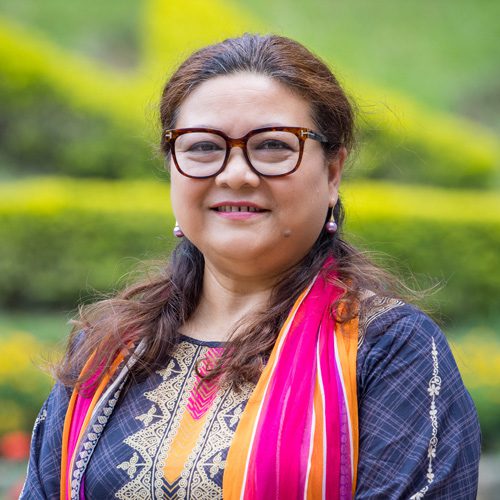 Dr. Neera Shrestha Pradhan is a Water and DRR Lead at ICIMOD. She has over 20 years of professional experience in the fields of disaster risk resilience, river basin management, environmental management and freshwater conservation. She worked with organizations such as WWF Nepal, IUCN Asia, and IUCN Nepal, before joining ICIMOD in 2010 as Water and Adaptation Specialist and Programme Coordinator for the Strengthening Water Resources Management in Afghanistan (SWaRMA) and the Koshi Basin initiatives. Neera holds a PhD in climate change from the University of Chinese Academy of Sciences, China, a master’s degree in environmental management from the Asian Institute of Technology, Thailand, and a bachelor’s in Engineering from the National Institute of Technology, India. Dr. Neera Shrestha Pradhan is a Water and DRR Lead at ICIMOD. She has over 20 years of professional experience in the fields of disaster risk resilience, river basin management, environmental management and freshwater conservation. She worked with organizations such as WWF Nepal, IUCN Asia, and IUCN Nepal, before joining ICIMOD in 2010 as Water and Adaptation Specialist and Programme Coordinator for the Strengthening Water Resources Management in Afghanistan (SWaRMA) and the Koshi Basin initiatives. Neera holds a PhD in climate change from the University of Chinese Academy of Sciences, China, a master’s degree in environmental management from the Asian Institute of Technology, Thailand, and a bachelor’s in Engineering from the National Institute of Technology, India. |
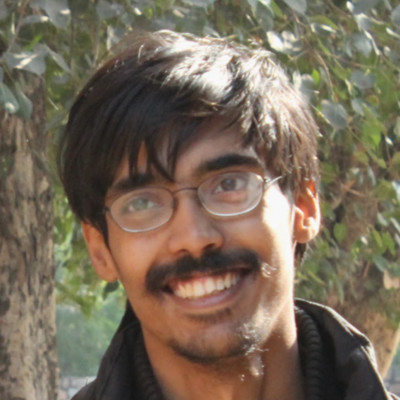 Mr. Archisman Mitra is a Senior Water Economist at the World Bank, where he works on water resources management, groundwater governance, irrigation, climate resilience, and the water–energy nexus. His research focuses on applying economic analysis to inform evidence-based policies for sustainable water management and climate adaptation. Prior to joining the World Bank, he was associated with the International Water Management Institute (IWMI), contributing to interdisciplinary research on groundwater sustainability, solar irrigation, agricultural water management, and climate-smart development across South Asia. His work integrates economics, policy, and field-based research to advance resilient and inclusive water security solutions for developing countries. Mr. Archisman Mitra is a Senior Water Economist at the World Bank, where he works on water resources management, groundwater governance, irrigation, climate resilience, and the water–energy nexus. His research focuses on applying economic analysis to inform evidence-based policies for sustainable water management and climate adaptation. Prior to joining the World Bank, he was associated with the International Water Management Institute (IWMI), contributing to interdisciplinary research on groundwater sustainability, solar irrigation, agricultural water management, and climate-smart development across South Asia. His work integrates economics, policy, and field-based research to advance resilient and inclusive water security solutions for developing countries. |
| Ms. Shweta Tyagi | |
 Ms. Shweta Tyagi is Chief Functionary, India Water Foundation. She is results-focused development sector professional with a 23 years of demonstrated history and a proven ability to manage project teams to deliver multiple projects and programmes across diverse sectors of sustainable Development, Water and Sanitation, Social Development, Livelihood Generation, climate change etc. Excellent knowledge of project management and strategic planning of partnership creation and coordination, as well as advising decision-makers and strengthening capacities. Experience of Natural Resource management among rural communities for implementing. Ms. Shweta Tyagi is Chief Functionary, India Water Foundation. She is results-focused development sector professional with a 23 years of demonstrated history and a proven ability to manage project teams to deliver multiple projects and programmes across diverse sectors of sustainable Development, Water and Sanitation, Social Development, Livelihood Generation, climate change etc. Excellent knowledge of project management and strategic planning of partnership creation and coordination, as well as advising decision-makers and strengthening capacities. Experience of Natural Resource management among rural communities for implementing. |
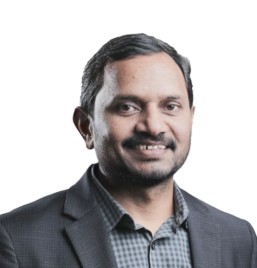
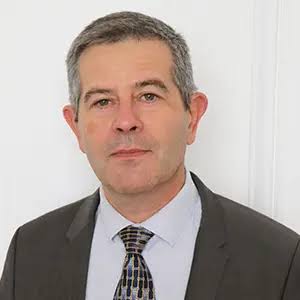 Dr. Eric Tardieu is an internationally recognized water policy and management expert, serving as the Director General of the International Office for Water (OiEau) since 2017 and Secretary General of the International Network of Basin Organizations (INBO) since 2018. A graduate of the École Polytechnique and a Ph.D. holder in Process Engineering specializing in wastewater treatment, he has over 25 years of experience in water governance, environmental policy, and international cooperation. Dr. Tardieu has led initiatives in integrated water resources management, capacity building, and water information systems, and currently serves as Vice-President of the World Water Council, advancing global collaboration on sustainable water management.
For more details please contact –
Ms. Shweta Tyagi
Chief Functionary
India Water Foundation
Email: shweta.tyagi@indiawaterfoundation.org
Mobile: +91 9899819074